 CN
CN EN
EN


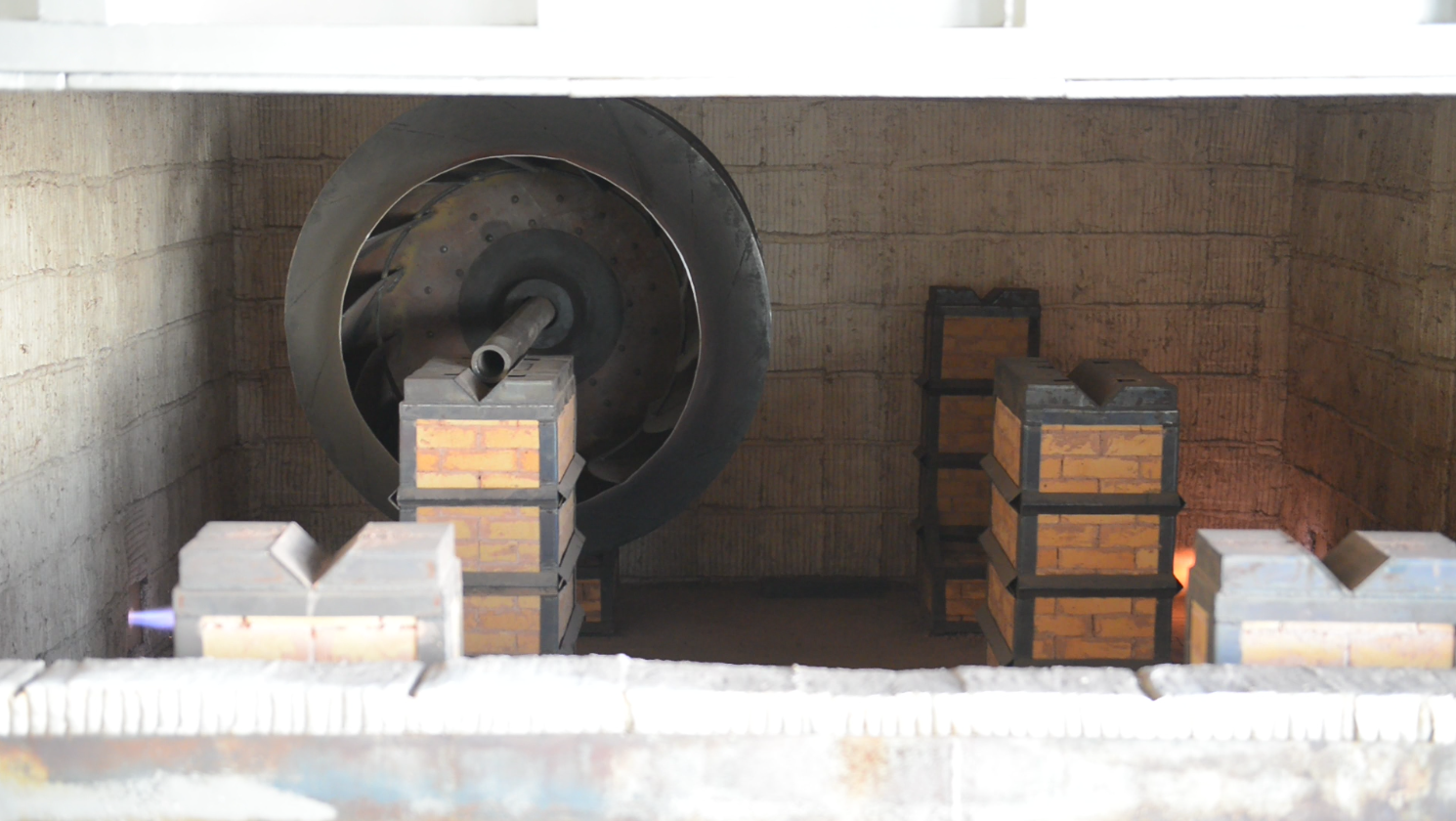
A heat treatment process that eliminates or reduces the residual stresses generated during welding by subjecting the welded components to specific temperature heating and insulation, followed by slow cooling.
Core logic: The localized high temperature during welding causes uneven thermal expansion and contraction of the metal. After cooling, residual tensile or compressive stresses remain within the material, which can easily lead to deformation and cracking of the components. Annealing involves heating the metal to allow its atoms to diffuse to some extent, thereby releasing internal stresses without altering the original mechanical properties of the components (such as strength and hardness).
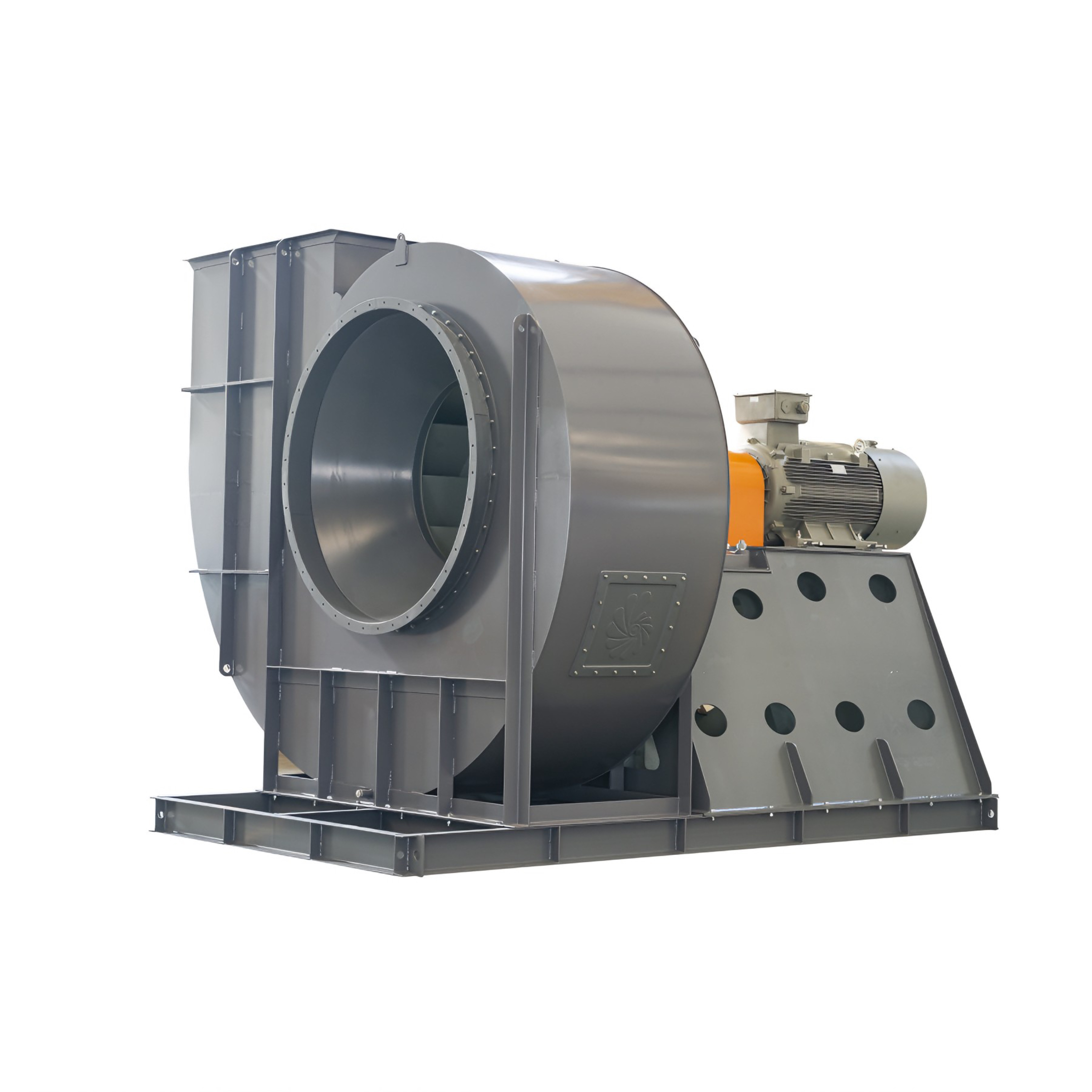
Applications: Welded components for industrial fan housings, impellers, pipe flanges, etc. (particularly for fan components in high-pressure/high-wear conditions in the construction and chemical industries). This can improve the stability of equipment operation and prevent cracking and leakage issues that arise from stress release during prolonged use.